Safari Packing Essentials: What to Bring and What to Leave

Packing for an African safari requires strategic thinking. Unlike typical vacations, safaris present unique challenges—strict luggage limits, unpredictable weather, and the need for specialized gear. Pack too much, and you risk extra fees; pack too little, and you might miss crucial comforts.
Understanding Luggage Restrictions
Light aircraft to remote safari camps typically restrict luggage to 15–20 kg (33–44 lbs) including hand luggage. Hard-shell suitcases are not allowed—soft duffel bags that compress easily are required. Confirm weight limits with your operator before traveling.
Most lodges offer laundry services, letting you pack light. Essentials like insect repellent or sunscreen are often provided, saving more space.
Clothing Essentials

Neutral Colors: Wear khaki, beige, or olive tones to blend with nature. Avoid blue or black (attract tsetse flies) and white (shows dust).
Layer Up: Safari temperatures swing from chilly mornings to hot afternoons. Include:
- Long-sleeved shirts (3–4)
- Short-sleeved shirts (2–3)
- Convertible pants (2 pairs)
- Light jacket or fleece
- Wide-brimmed hat and buff
Footwear: Closed shoes for drives, sandals for camp, and light boots for walks. Break them in before your trip.
Photography and Optics

For photography lovers, pack smartly:
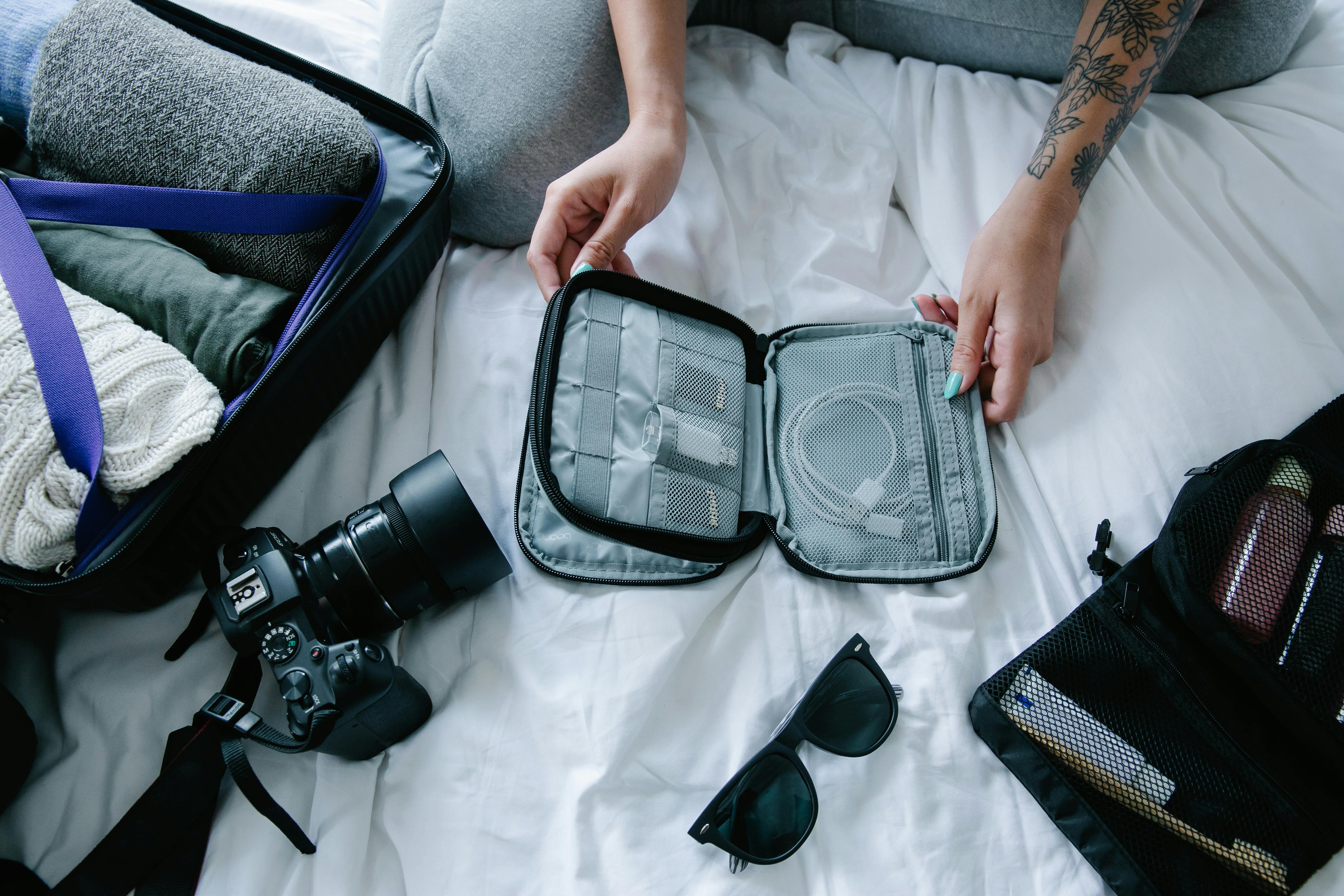
- Camera with telephoto lens (300–600mm)
- Spare memory cards, batteries, and chargers
- Lens cleaning cloths (dust is unavoidable)
- Bean bag or small tripod
- Protective camera bag
Binoculars: A good pair (8x42 or 10x42) enhances your wildlife viewing experience.
Health and Protection
Sun Care: High-SPF sunscreen (50+), lip balm, and after-sun lotion are non-negotiable.
Insect Safety: Use DEET-based repellents (30–50%) and wear long sleeves in the evening.
First Aid & Medication:
- Prescription medication (carry extra)
- Anti-malarial and pain relief tablets
- Anti-diarrheal medicine
- Bandages, antiseptic, hand sanitizer
Electronics and Charging
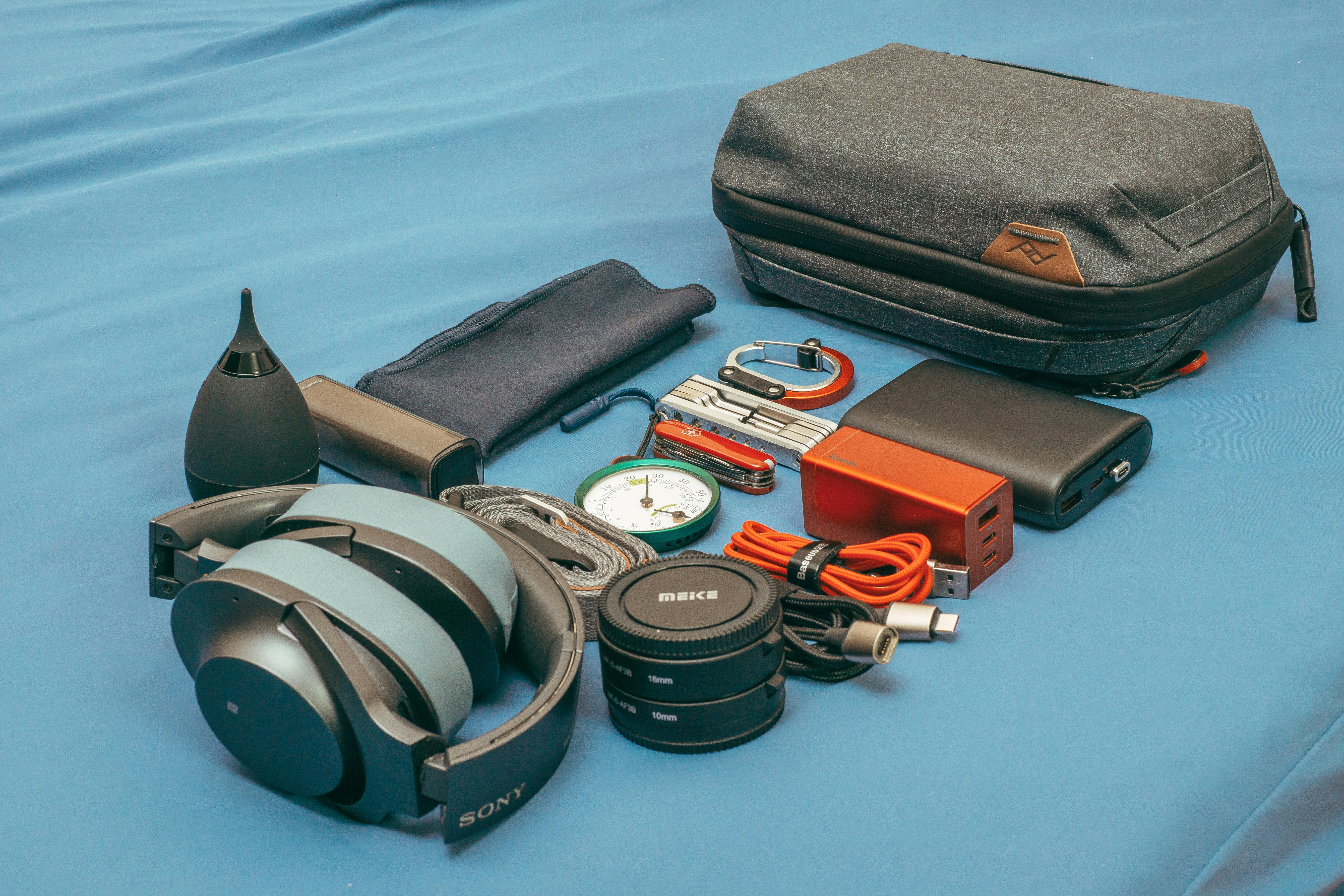
Electricity can be limited in remote camps. Carry:
- Universal adapter (Type G for East Africa)
- USB multi-charger
- Power bank
- Headlamp or flashlight
Documents and Money
Keep essentials in a waterproof pouch:
- Passport (6+ months validity)
- Visa or e-visa printouts
- Travel insurance papers
- Yellow fever certificate (if required)
- Flight and hotel confirmations
Money: Bring clean US dollar bills (post-2013). Small denominations are best for tips and markets. Major cards work only in cities.
What Not to Bring
- Camouflage clothing (illegal in some countries)
- Heavy jewelry or valuables
- Hair dryers (limited power supply)
- Hard-shell luggage (not allowed)
Smart Packing Tips
Roll, Don’t Fold: Saves space and reduces wrinkles.
Packing Cubes: Keep clothing organized and accessible.
Wear Bulky Items: Saves luggage weight during travel.
Carry-On Essentials: Include clothes, documents, meds, and chargers in case luggage is delayed.
Final Pre-Trip Checklist
- Weigh luggage before departure
- Scan and email travel documents
- Test shoes and camera gear
- Check destination weather
- Confirm laundry availability
- Notify your bank of travel plans
Packing efficiently ensures a stress-free safari. With the right essentials, you’ll travel light, stay comfortable, and focus fully on the magic of Africa’s wilderness—because on safari, less truly is more.