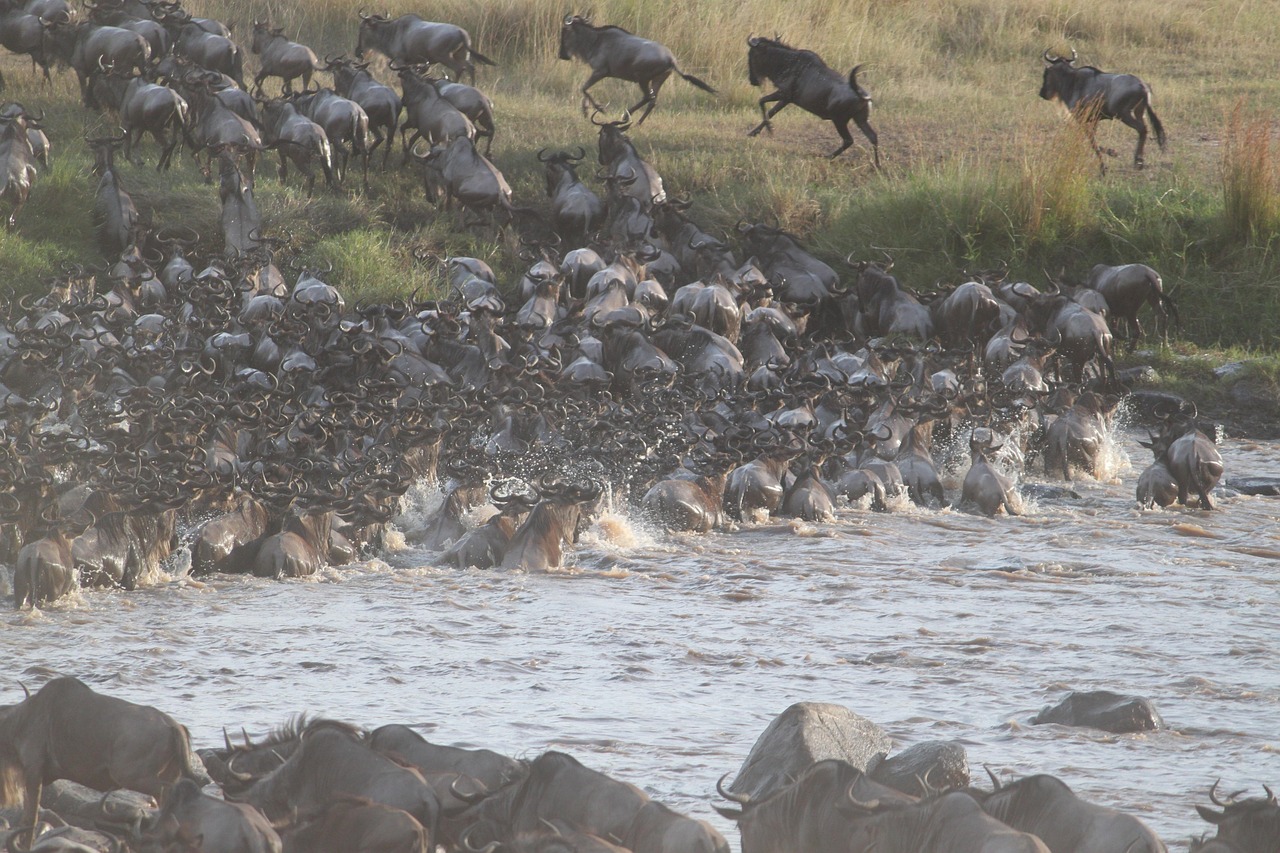
Great Migration 2025: Latest Updates from the Masai Mara National Reserve

The Great Migration—nature's most spectacular wildlife event—continues to captivate travelers worldwide. In 2025, millions of wildebeest, zebras, and gazelles are once again embarking on their ancient circular journey between Tanzania's Serengeti and Kenya's Masai Mara, driven by the eternal search for fresh grazing and water.
2025 Migration Timeline and Current Status
As of late 2024 and early 2025, the migration cycle continues its predictable yet unpredictable pattern. The herds typically arrive in the Masai Mara between July and October, with peak river crossing activity occurring from August through September. However, rainfall patterns significantly influence exact timing and movements.
Early reports suggest that the herds are following traditional patterns, with the southern Serengeti seeing concentrated calving activity in January and February 2025. By mid-year, the massive columns are expected to push northward toward the Mara River, setting the stage for the dramatic crossings that define this natural phenomenon.

The Mara River Crossings: 2025 Expectations
The Mara River crossings represent the pinnacle of migration viewing—a spectacle of survival where thousands of wildebeest plunge into crocodile-infested waters, driven by instinct and the pressure of the herd behind them. In 2025, several factors shape crossing predictions:
Water Levels: The Mara River's water levels are influenced by rainfall in the Mau Forest watershed. Early 2025 forecasts suggest normal rainfall patterns, supporting healthy river flows without catastrophic flooding that can make crossings even more treacherous.
Herd Size and Health: Recent counts estimate approximately 1.5 million wildebeest, 200,000 zebras, and 350,000 gazelles participating in the migration. The 2024–2025 calving season was successful, suggesting strong numbers for the upcoming Mara crossing season.
Predator Populations: The Masai Mara continues to support healthy populations of lions, leopards, cheetahs, and hyenas. The river's giant Nile crocodiles—some exceeding 16 feet—await the migrating herds, creating the dramatic predator-prey encounters that define this event.
Conservation and Tourism Balance

The Masai Mara National Reserve and its surrounding conservancies continue to balance tourism revenue with conservation imperatives. Recent initiatives include:
- Community Conservancies: These areas provide vital wildlife corridors and offer less crowded safari experiences while benefiting local Maasai communities.
- Sustainable Tourism: Strict rules now limit vehicles at sightings and encourage ethical wildlife viewing distances. These measures aim to preserve the reserve’s delicate ecosystem.
- Anti-Poaching Initiatives: Kenya Wildlife Service and local conservancies maintain active ranger patrols, ensuring continued protection of the region’s iconic species.
What Makes 2025 Special
Enhanced Visitor Infrastructure: Newly renovated lodges and eco-friendly camps offer improved comfort while maintaining a focus on sustainability and low environmental impact.
Technology and Tracking: GPS-collared animals allow researchers to monitor herd movements in real time, offering more accurate updates for guides and visitors.
Climate Resilience: Although climate variability continues to challenge East African ecosystems, the 2025 migration remains on a familiar track, promising the classic spectacle travelers cherish.
Planning Your 2025 Migration Safari

Best Time to Visit: Peak river crossings typically occur between August and September, though activity may start as early as July and continue into October.
Booking Early: With global demand surging, securing accommodation 9–12 months in advance is advisable for premium lodges and camps.
Accommodation Choices: From luxury tented camps on the Mara River to intimate mobile camps following the herds, there’s a style for every traveler and budget.
Expect the Unexpected: Crossings are unpredictable—patience and flexibility are key. Experienced guides and real-time communication greatly enhance the likelihood of witnessing one.
Beyond the Crossings
The migration is only part of the Mara experience. Visitors can also enjoy:
- Predator Encounters: Witness lions, cheetahs, and leopards taking advantage of the migration’s abundance.
- Hot Air Balloon Safaris: Glide silently above endless plains at sunrise for an unmatched perspective of the herds below.
- Cultural Experiences: Engage with local Maasai communities to learn about traditions intertwined with the region’s wildlife heritage.

Responsible Migration Tourism
As global attention on the Great Migration grows, responsible travel choices become vital to preserving this wonder for generations to come.
- Choose Ethical Operators: Support tour companies and lodges committed to sustainable tourism and local community empowerment.
- Minimize Environmental Impact: Avoid off-road driving in restricted areas and adhere to park regulations.
- Support Conservation Efforts: Contributions through park fees and donations directly aid wildlife protection and habitat restoration.
The Great Migration 2025 promises another unforgettable chapter in Africa’s natural story—a powerful reminder of life’s resilience, the rhythm of the wild, and the delicate balance that defines the Masai Mara.

