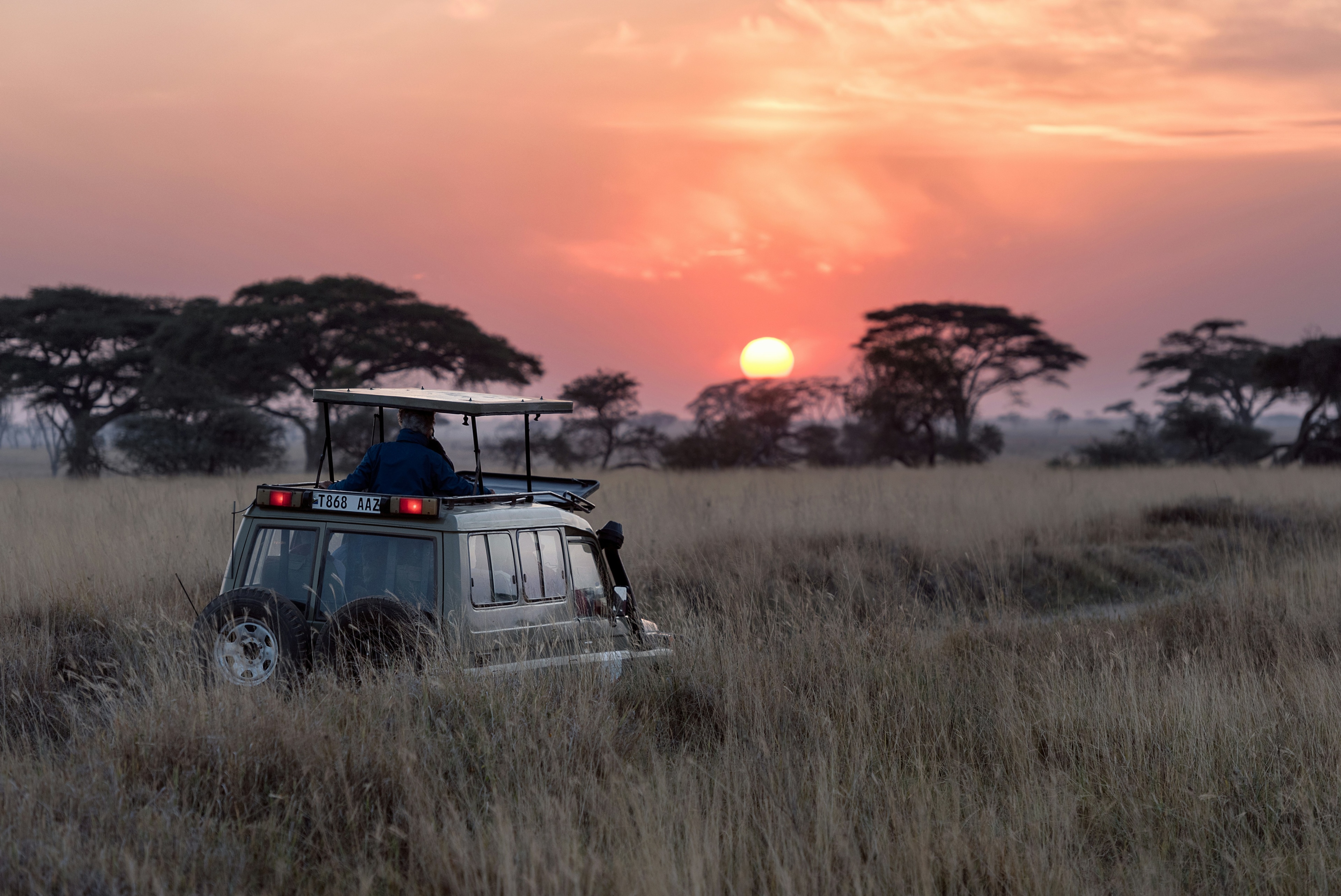
Capturing the Perfect Safari Shot: Golden Hour Photography

There's a magical window of time on safari when the African landscape transforms into a photographer's paradise. The golden hour—that fleeting period just after sunrise and before sunset—bathes the savannah in warm, ethereal light that can turn ordinary wildlife shots into extraordinary masterpieces.
Understanding the African Golden Hour
In many parts of the world, photographers enjoy an hour or two of golden light. But in Africa, particularly near the equator in places like Kenya, this window is dramatically shorter—often condensed into just 20 to 30 minutes. This makes timing absolutely critical and every moment precious.
During golden hour, the sun sits low on the horizon, creating several photographic advantages: the light travels through more atmosphere, filtering out harsh blue wavelengths and leaving warm oranges, reds, and yellows. This produces soft, diffused illumination that flatters wildlife subjects, minimizes harsh shadows, and creates stunning depth and dimension in your images.

Why Golden Hour Makes Safari Photography Magical
Soft, Flattering Light: Unlike the harsh midday sun that creates unflattering shadows and washed-out colors, golden hour light wraps around your subjects gently. This is particularly important for wildlife photography, where you want to capture the textures of fur, the gleam in an animal's eye, and subtle color variations.
Reduced Dynamic Range: The softer light means less extreme contrast between shadows and highlights, making it easier for your camera to capture detail in both dark and bright areas without losing information.
Atmospheric Magic: Dust in the air—common on African savannahs—creates gorgeous warm glows and adds an almost dreamlike quality to images. The low angle of light also creates long, dramatic shadows that add depth and interest to compositions.
Wildlife Activity: Animals are naturally more active during cooler morning and evening hours. You're more likely to witness hunting, social interactions, and dynamic behaviors when the temperature drops and the golden light appears.
Essential Camera Settings for Golden Hour

Aperture: Use a wide aperture (f/2.8 to f/5.6) to maximize light intake and create beautiful background blur (bokeh) that makes your subject stand out. This is especially effective for portrait-style wildlife shots.
Shutter Speed: Aim for at least 1/500th of a second for moving animals, faster if they're running. With the limited light, you may need to increase your ISO to maintain these speeds.
ISO: Don't be afraid to push your ISO higher during golden hour. Modern cameras handle high ISOs remarkably well, and slight grain is preferable to blurred shots from slow shutter speeds.
White Balance: While auto white balance often works well, try the "Shade" or "Cloudy" preset to enhance the warm tones, or shoot in RAW format for maximum flexibility in post-processing.
Mastering Light Direction and Positioning
Front Lighting: Position yourself so your subject faces the sun. This creates even, warm illumination perfect for portraits and emphasizing colors and textures.
Backlighting: Place the sun behind your subject for dramatic rim lighting effects. The golden light creates stunning halos around animals, particularly effective with subjects that have distinctive silhouettes or fur that catches the light.
Side Lighting: This creates texture and depth, revealing details in fur, wrinkles, and features while adding dimensional shadows that give images a three-dimensional quality.
Silhouettes: During the final minutes of golden hour as the sun touches the horizon, expose for the bright sky to create powerful silhouettes of animals against vibrant sunset colors.
Preparation is Everything

Know Sunrise and Sunset Times: Use apps like PhotoPills or The Photographer's Ephemeris to track exact timing and sun position. Remember, the best light often occurs 15-30 minutes before sunset and 15-30 minutes after sunrise.
Scout Locations: Work with your safari guide to identify promising spots ahead of time. Understanding where animals gather during morning and evening can position you perfectly when the light hits.
Be Early: Arrive at your chosen location well before golden hour begins. Animals are often most active in the early morning, and you don't want to miss crucial moments while still traveling.
Stay Flexible: Golden hour moves quickly, especially in equatorial regions. Be ready to adjust your position, settings, and composition rapidly as the light changes.
Beyond Wildlife: Landscape Opportunities
While animals are the primary draw, don't forget about the stunning landscapes. The golden hour transforms ordinary scenes—baobab trees, acacia silhouettes, water reflections, and sweeping vistas—into photographic gold. These shots provide essential variety in your safari portfolio and capture the essence of the African wilderness.
Post-Golden Hour: The Blue Hour
After sunset, the blue hour offers another brief window of opportunity. The sky turns deep blue and purple, creating moody, atmospheric images. While light is limited, if you have a tripod and willing subjects, this period can yield hauntingly beautiful shots.

Essential Gear Considerations
Telephoto Lenses: A 300mm to 600mm lens lets you capture distant wildlife while maintaining safe distances. The compression effect also enhances the warm background blur during golden hour.
Fast Lenses: Wide maximum apertures (f/2.8 to f/4) help in the limited light conditions of early morning and late evening.
Extra Batteries: Cold mornings can drain batteries faster. Always carry fully charged spares.
Lens Cloth: Dust is inevitable on safari. Keep your optics clean for sharp, clear images.
The Art of Patience
Golden hour photography on safari requires patience and persistence. Not every sunrise or sunset will deliver perfect conditions—clouds, dust storms, or uncooperative wildlife happen. But when everything aligns—the light, the subject, the moment—you'll capture images that transport viewers to the heart of Africa's wild places.
The golden hour reminds us that timing is everything in photography. By understanding and embracing this magical light, you'll return from safari with images that don't just document wildlife, but tell stories, evoke emotions, and preserve memories of one of nature's most spectacular shows.